
Quick Links







Endometrial cancer has been on the rise in Canada over the past 20 years. People who are older and living with obesity are more likely to be diagnosed with endometrial cancer. However, it can occur in younger people as well.
The good news is that endometrial cancer may be detected early if you notice the warning signs and seek medical attention right away!
It may also be prevented in many cases, since we know of conditions that may place some people at a higher risk.
The most common first sign of endometrial cancer is Abnormal Vaginal Bleeding. This is any vaginal bleeding after menopause in older people (post-menopausal bleeding),or abnormally heavy periods in younger people. It is also more common in people with diabetes, high blood pressure, or polycystic ovary syndrome.
Warning Signs and Causes of Endometrial Cancer
Do you have the warning signs for endometrial cancer? Don’t ignore them!
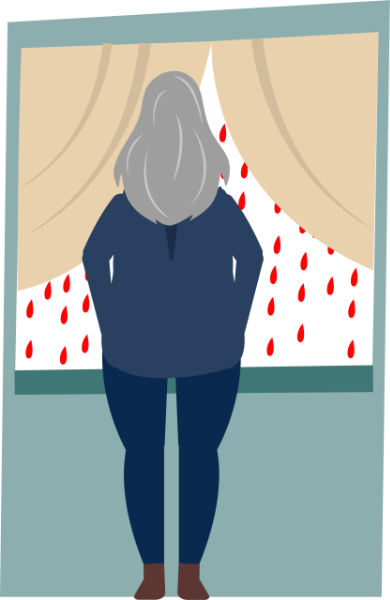
Do your periods feel like a flood?
Talk to your doctor about whether you need an endometrial biopsy.
Bleeding after menopause is never normal.
Talk to your doctor about whether you need an endometrial biopsy.
Premenopausal Endometrial Cancer
Do your periods feel like a flood?
Unpredictable or heavy periods may be a symptom of endometrial cancer, and 5-30% of endometrial cancers happen in people before menopause.
Causes
Cancer is not the cause of all abnormal bleeding, but it is important to rule out.
Causes of abnormal bleeding can include:
- Infection of the uterus or cervix
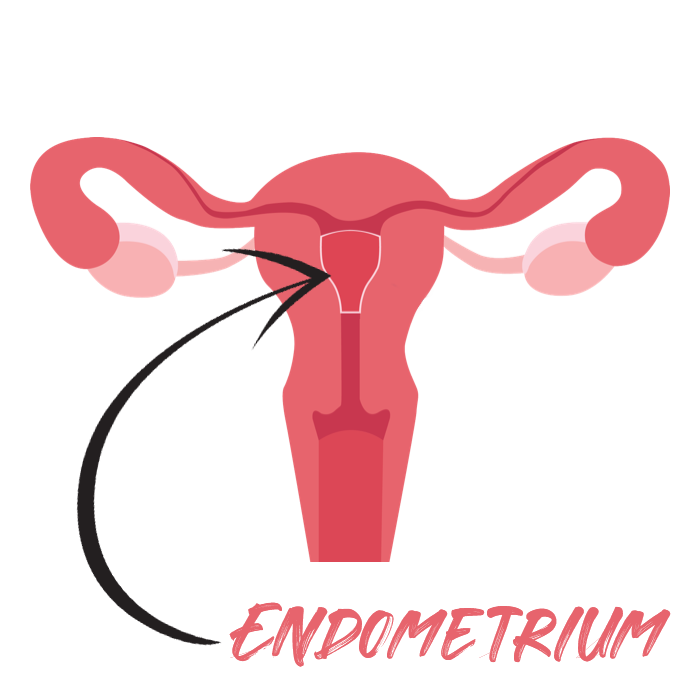
- Pre-cancer or cancer of the endometrium (lining of the uterus) or cervix (opening of the uterus)
- Non-cancerous growths on the uterus or cervix, such as polyps or fibroids
- Hormonal treatments such as Tamoxifen or birth control
Symptoms and warning signs
Talk to your health care provider if:
- Your periods are very spaced out, with more than 38 days between the start of one period to the start of the next period.
- Your periods are very heavy, to the point that they are interfering with your health, well-being, and quality of life – for example, if you have low iron or symptoms of low iron such as dizziness
- Your periods last for a long time: more than 8 days, especially if they are spaced out
- You have random bleeding in between your normal periods
- Your periods are heavy or prolonged, and are not improving in response to medical or hormonal treatment
When detected early, most conditions causing abnormal uterine bleeding (including cancer) can be successfully treated.
Postmenopausal Endometrial Cancer
Have you experienced any vaginal bleeding after menopause? This is never normal.
If you have had 12 months without your period and then experience bleeding or spotting again, it could be the first symptom of endometrial cancer.