
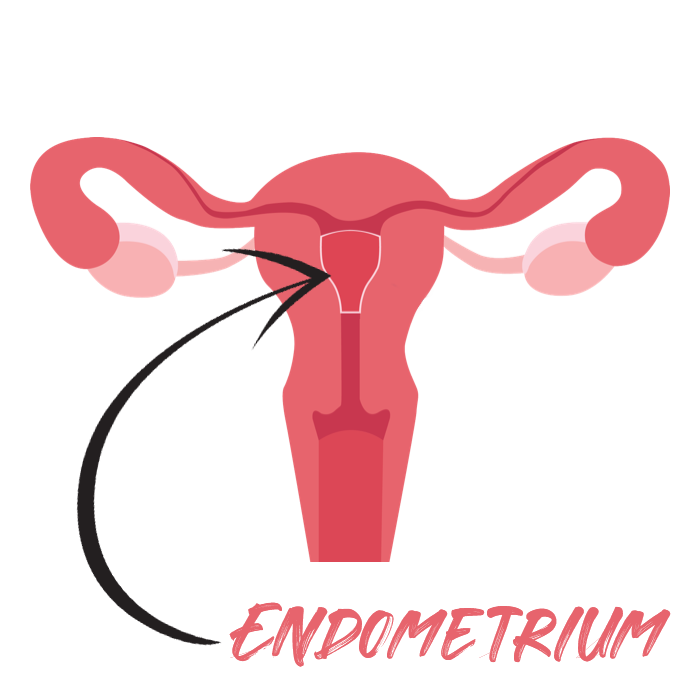
Quick Links







Endometrial cancer has been on the rise in Canada over the past 20 years. People who are older and living with obesity are more likely to be diagnosed with endometrial cancer. However, it can occur in younger people as well.
The good news is that endometrial cancer may be detected early if you notice the warning signs and seek medical attention right away!
It may also be prevented in many cases, since we know of conditions that may place some people at a higher risk.
The most common first sign of endometrial cancer is Abnormal Vaginal Bleeding. This is any vaginal bleeding after menopause in older people (post-menopausal bleeding),or abnormally heavy periods in younger people. It is also more common in people with diabetes, high blood pressure, or polycystic ovary syndrome.
Warning Signs and Causes of Endometrial Cancer
Do you have the warning signs for endometrial cancer? Don’t ignore them!
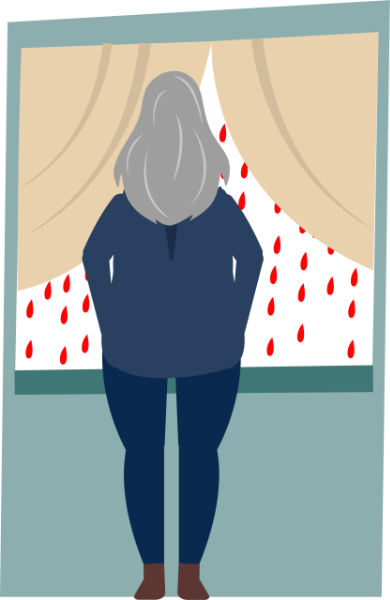
Do your periods feel like a flood?
Talk to your doctor about whether you need an endometrial biopsy.
Bleeding after menopause is never normal.
Talk to your doctor about whether you need an endometrial biopsy.
Premenopausal Endometrial Cancer
Do your periods feel like a flood?
Unpredictable or heavy periods may be a symptom of endometrial cancer, and 5-30% of endometrial cancers happen in people before menopause.
Causes
Cancer is not the cause of all abnormal bleeding, but it is important to rule out.
Causes of abnormal bleeding can include:
- Infection of the uterus or cervix
- Pre-cancer or cancer of the endometrium (lining of the uterus) or cervix (opening of the uterus)
- Non-cancerous growths on the uterus or cervix, such as polyps or fibroids
- Hormonal treatments such as Tamoxifen or birth control
Symptoms and warning signs
Talk to your health care provider if:
- Your periods are very spaced out, with more than 38 days between the start of one period to the start of the next period.
- Your periods are very heavy, to the point that they are interfering with your health, well-being, and quality of life – for example, if you have low iron or symptoms of low iron such as dizziness
- Your periods last for a long time: more than 8 days, especially if they are spaced out
- You have random bleeding in between your normal periods
- Your periods are heavy or prolonged, and are not improving in response to medical or hormonal treatment
When detected early, most conditions causing abnormal uterine bleeding (including cancer) can be successfully treated.
Postmenopausal Endometrial Cancer
Have you experienced any vaginal bleeding after menopause? This is never normal.
If you have had 12 months without your period and then experience bleeding or spotting again, it could be the first symptom of endometrial cancer.
Next Steps
Your primary care provider or gynecologist will:
- Ask you questions about your health history.
- Examine your vagina and cervix using a speculum tool and take
- Discuss whether you need an endometrial biopsy. This test is done by placing a thin straw, called a pipelle, through the cervix and into the uterus to remove some cells. The cells are sent to a laboratory for examination.
- Discuss whether you need an imaging test such as a pelvic ultrasound
Prevention of Endometrial Cancer
Endometrial cancer is preventable in some people
Which conditions might increase my risk of endometrial cancer?
Some conditions that may increase your risk include:
- Tamoxifen or certain hormonal treatments
- Obesity – Obesity Canada defines obesity as a progressive chronic disease which is characterized by abnormal or excessive fat accumulation that may impair health.
Whether you have obesity by this definition or not, having excess fat can increase your risk of developing endometrial cancer (3-10 fold increase). - Diabetes
- Older age
- History of infrequent periods and/or polycystic ovary syndrome
- Family history of endometrial cancer or genetic disorders such as Lynch syndrome (family history of colon, endometrial, or ovarian cancer)
How does endometrial cancer develop?
There are 2 hormones that regulate the growth of the lining of the uterus (endometrium):
- estrogen
- progesterone
Conditions that cause an imbalance of these hormones, with higher levels of estrogen and lower levels of progesterone, can increase the risk of endometrial cancer when lining growth is no longer controlled or regulated.
How to prevent endometrial cancer?
Based on your unique risk factors, your doctor may recommend:
- Increasing your physical activity levels
- Maintaining a healthy weight
- Treatments to correct the hormonal imbalance – like the birth control pill or intrauterine device (IUD)
- Consultation with a genetics or cancer specialist if you have a geneticdisorder such as Lynch syndrome that increases your risk
If you have these risk factors and want to know more about how you may prevent endometrial cancer talk to your doctor about these concerns.
Treatment of Endometrial Cancer
Endometrial cancer is typically treated by removing the uterus, cervix and fallopian tubes, and often the ovaries as well.
This is called a hysterectomy with bilateral salpingo-oophorectomy. Your doctor may also recommend to remove some lymph nodes. It is performed either by a minimally invasive approach (laparoscopic (“straight-stick”) or robotic surgery) or using an abdominal incision.
In some cases, patients require additional treatments such as radiation therapy or chemotherapy. Other treatments can include hormone therapy, immunotherapy, chemotherapy alone, radiation therapy alone or clinical trials.
For more information, you can visit the following links:
Partner
Obesity Canada is the country’s leading obesity registered charity association for:

- Health professionals
- Policy makers
- Canadians living with obesity
- Researchers, trainees and students
What is Obesity?
Obesity is a prevalent, complex, progressive and relapsing chronic disease, characterized by abnormal or excessive body fat (adiposity), that impairs health.
Mission
Obesity Canada’s mission is to improve the lives of Canadians through obesity research, education, and advocacy.
 English
  French